
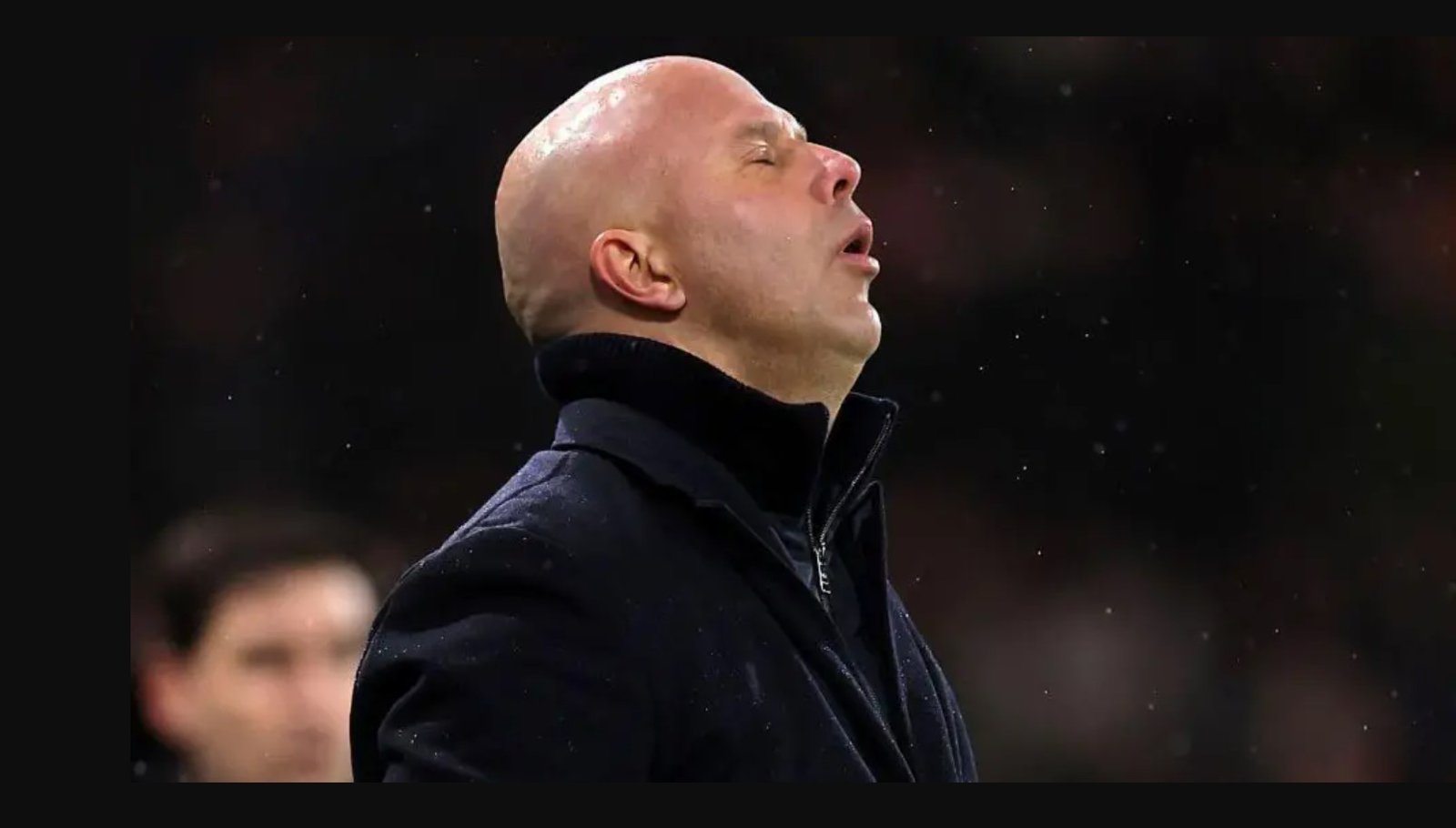
Liverpool struggle against low blocks as Arne Slot seeks attacking solutions
Liverpool’s second season under Arne Slot has been defined by frustration against deep defensive setups. Despite cruising to the Premier League crown last year, the Reds have lacked fluidity and consistency, with opponents deploying compact low blocks to stifle their attack.
Set-piece weakness undermines progress
Set-pieces have become a decisive factor across the league, yet Liverpool have failed to capitalise. The departure of set-piece coach Aaron Briggs and the absence of regular takers like Trent Alexander-Arnold and Andy Robertson have reduced their dead-ball threat. Dominik Szoboszlai’s out-swinging deliveries have not matched the league trend of in-swingers, though Mohamed Salah’s recent corners have offered glimpses of improvement, including Hugo Ekitike’s header against Brighton.
Why Liverpool’s struggles matter now
While Liverpool have scored nine goals without reply in their last two Champions League matches, domestic opponents continue to deny them space. The contrast highlights a tactical gap that could shape their season, with rivals exploiting their inability to unlock compact defences.
Tactical adjustments slow attacking rhythm
Slot initially committed numbers forward but was exposed on the counter. His mid-season tweaks brought defensive stability but reduced attacking spark. Without Alexander-Arnold’s long passes and with less intense pressing, Liverpool’s buildup has slowed, leaving fewer gaps to exploit. Florian Wirtz’s freedom to drift and combine with Ekitike has created overloads in tight areas, but chemistry takes time to develop.
Frimpong injury leaves Liverpool short of pace
Jeremie Frimpong’s muscle injury against Qarabag was a major blow. His pace and one-v-one ability had been crucial in stretching defences and opening shooting lanes. In his absence, Salah and Cody Gakpo have struggled to replicate that direct threat, often cutting inside into crowded zones. The sale of Luis Díaz further reduced unpredictability in wide areas.
Long-shot reliance highlights inefficiency
Liverpool have leaned heavily on speculative efforts from distance. Szoboszlai’s strike against Barnsley showcased their potential, but the volume of blocked shots in league matches underlined inefficiency. Without runners to push defences back, these attempts often meet packed defensive lines.
Second-half control but attacking fade
As matches wear on, Liverpool’s defensive control improves but their attacking spark fades. Opponents play long and deep, limiting pressing opportunities and forcing the Reds into patient buildup. The absence of quick transitions has made them predictable.
Wirtz and Ekitike partnership offers hope
Despite setbacks, there have been flashes of promise. Wirtz and Ekitike’s growing partnership has produced five combined goals and assists this season, including Wirtz’s finish against Qarabag. Their interplay hints at a possible solution, though consistency remains elusive.
What comes next for Liverpool
Liverpool’s season now hinges on Slot’s ability to recalibrate his attack against domestic low blocks. With defensive solidity restored, the challenge is to rediscover the incisive edge that made them champions. The second half of the campaign will test whether tactical tweaks, set-piece improvements, and emerging partnerships can turn frustration into momentum.