
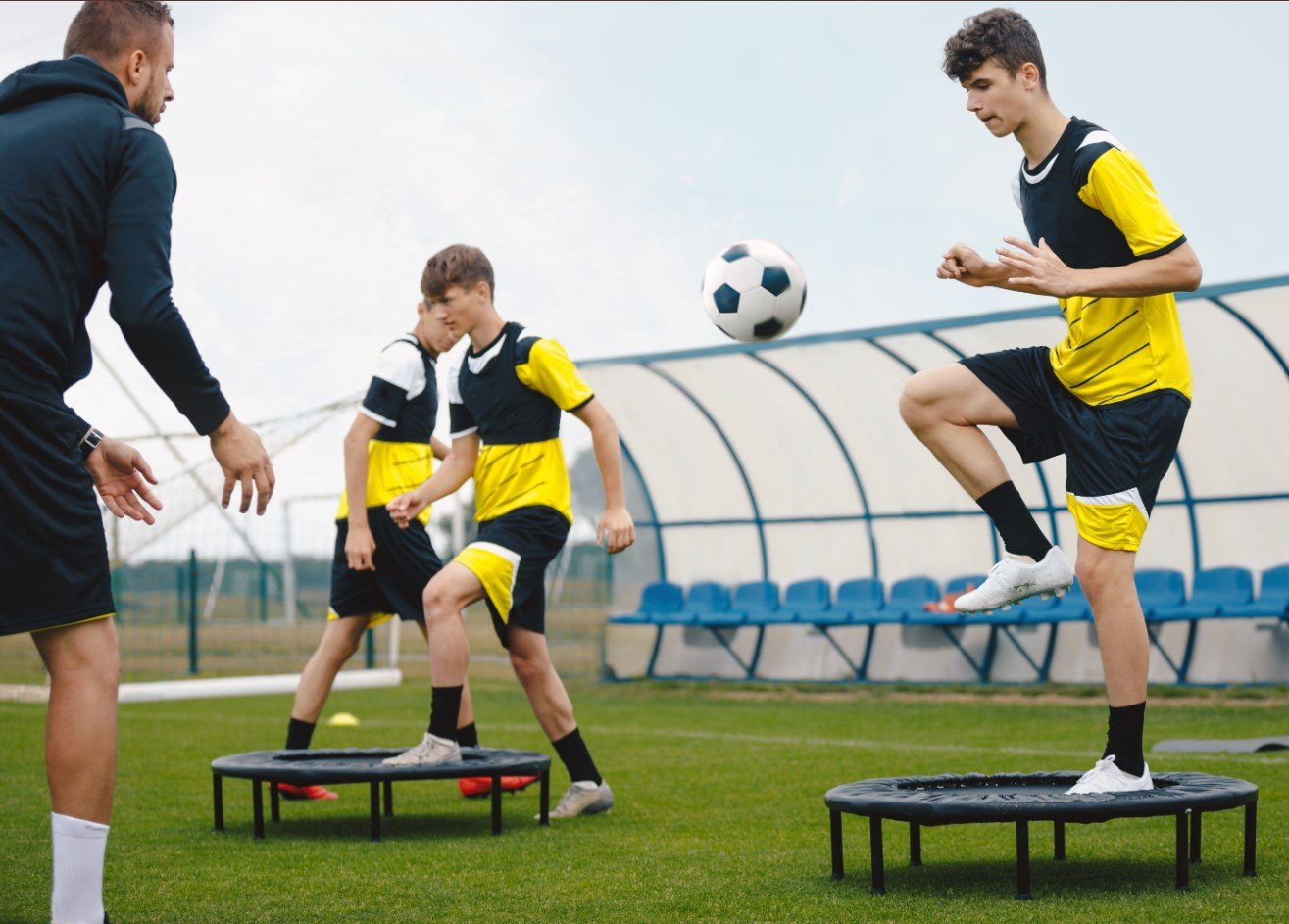
How to Improve Football Fitness and Play Like a Pro
Football is a game of endurance, speed, and resilience. Skill alone is not enough; players must be physically prepared to sustain intensity for 90 minutes and beyond. Whether you’re an aspiring professional or a weekend player, improving fitness is the most effective way to elevate performance. This guide explores every dimension of football conditioning — from stamina and strength to nutrition and recovery — offering a blueprint that remains relevant across generations.
1. Building Endurance
Why Endurance Matters
- Players cover 10–12 km per match.
- Midfielders often run the most, balancing attack and defense.
- Without endurance, technical ability fades late in games.
Training Methods
- Interval Running: 30-second sprints followed by 90-second jogs, repeated 10–15 times.
- Tempo Runs: 20–30 minutes at 70% effort to build aerobic capacity.
- Small-Sided Games: 5v5 matches replicate match intensity while improving stamina.
Practical Example
Cristiano Ronaldo’s training often includes repeated sprint sessions to mimic match bursts. Amateurs can adapt by running shuttle sprints across half a pitch.
2. Developing Speed and Agility
Sprint Mechanics
- Drive with knees high.
- Keep torso upright.
- Explode off the first step.
Agility Drills
- Cone Zig-Zags: Sprint between cones placed diagonally.
- Ladder Footwork: Quick steps to improve coordination.
- Reaction Sprints: Sprint when a coach calls or signals.
Match Relevance
Speed determines breakaways, while agility helps in tight spaces against defenders.
3. Strength and Power Training
Lower Body
- Squats, lunges, and deadlifts build tackling power.
- Calf raises improve jumping ability.
Upper Body
- Push-ups and pull-ups enhance balance in duels.
- Resistance bands strengthen shoulders for shielding.
Explosive Power
- Plyometrics: Box jumps, bounding, and medicine ball throws.
- Olympic lifts (for advanced players): Clean and jerk, snatch.
4. Flexibility and Injury Prevention
Warm-Up
- Dynamic stretches: High knees, butt kicks, hip rotations.
- Ball drills: Passing and dribbling at low intensity.
Cool-Down
- Static stretches: Hamstrings, quads, calves.
- Breathing exercises to lower heart rate.
Injury Prevention
- Focus on ankle stability with balance boards.
- Strengthen hamstrings with Nordic curls.
- Improve hip mobility with yoga poses.
5. Nutrition and Hydration
Pre-Match
- Carbohydrate-rich meals: pasta, rice, sweet potatoes.
- Hydrate with water and electrolytes.
During Match
- Small sips of isotonic drinks.
- Energy gels for long tournaments.
Post-Match
- Protein shakes within 30 minutes.
- Balanced meal with lean protein and complex carbs.
Lifestyle Habits
- Avoid processed foods.
- Maintain consistent hydration throughout the day.
6. Mental Fitness and Focus
Visualization
Picture successful passes, tackles, and goals before matches.
Breathing Techniques
Slow, deep breaths to calm nerves.
Resilience Training
Bounce back quickly after mistakes.
Leadership
Captains set the mental tone; communication builds confidence across the team.
7. Recovery and Rest
Sleep
8–9 hours per night for muscle repair.
Active Recovery
Swimming, cycling, or yoga the day after matches.
Therapies
- Ice baths reduce inflammation.
- Contrast showers improve circulation.
Monitoring Fatigue
Use apps or wellness questionnaires to track readiness.
8. Tactical Conditioning
Game-Specific Drills
- Pressing exercises to simulate defensive intensity.
- Transition runs to mimic counter-attacks.
Small-Sided Matches
High tempo, fewer players, more touches.
Video Analysis
Identify fitness gaps in pressing or positioning.
9. Common Mistakes to Avoid
- Overtraining without recovery.
- Ignoring nutrition.
- Skipping warm-ups or cool-downs.
- Training without clear goals.
10. Sample Weekly Training Plan
- Monday: Endurance run + core strength.
- Tuesday: Sprint drills + agility ladder.
- Wednesday: Rest or light recovery.
- Thursday: Strength training + tactical drills.
- Friday: Match simulation (small-sided games).
- Saturday: Competitive match.
- Sunday: Recovery session (stretching, yoga).
Conclusion
Football fitness is the foundation of success. By combining endurance, speed, strength, flexibility, nutrition, and recovery, players can sharpen their game and extend their careers. These principles are evergreen — they apply to professionals chasing trophies and amateurs seeking weekend glory. Consistency, discipline, and smart preparation remain the keys to playing like a pro.