
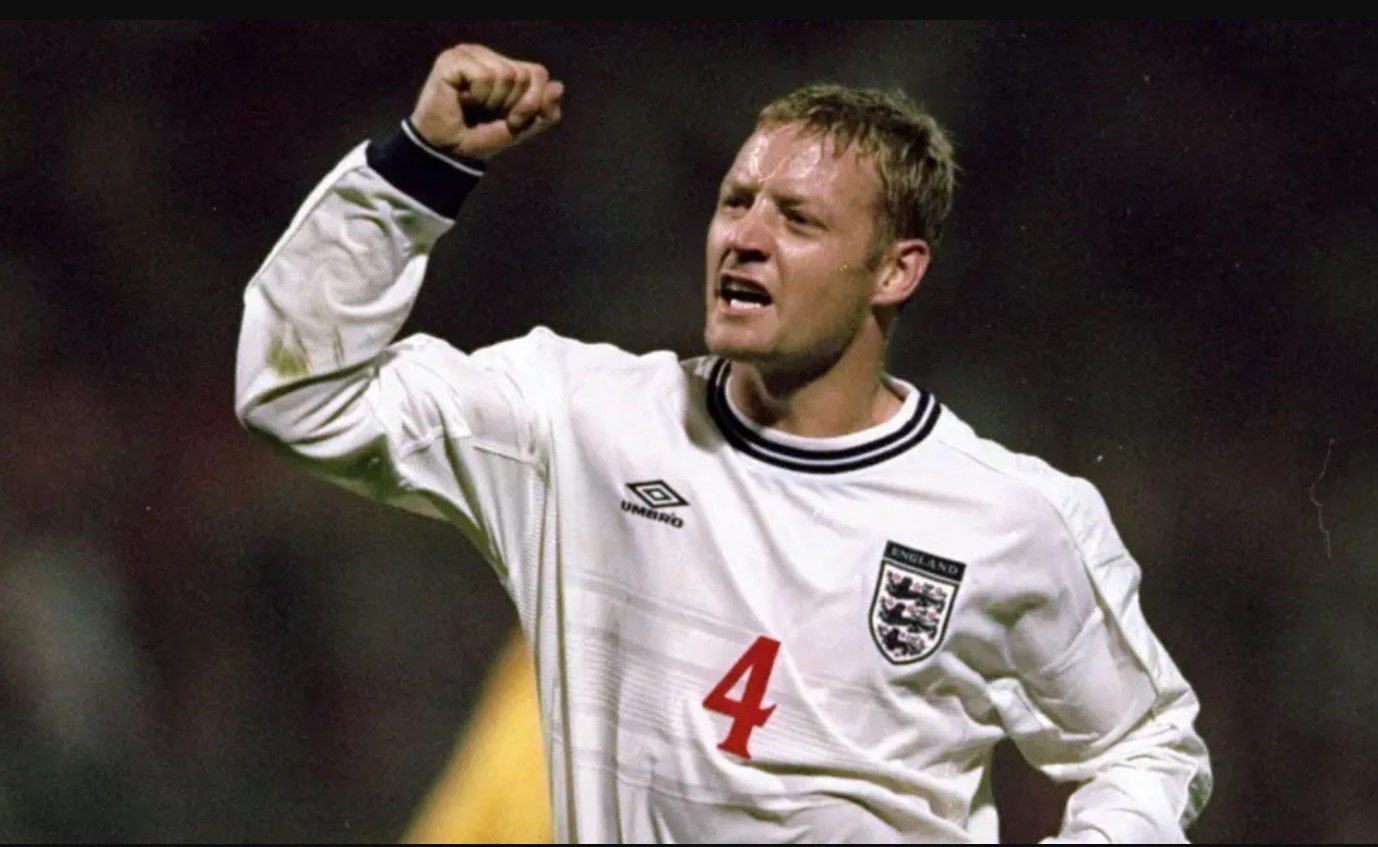
Batty remains out of sight as Leeds and Newcastle meet again
David Batty turned 57 last month, yet even on his birthday the former England midfielder remained elusive. Messages of goodwill filled a Leeds United WhatsApp group featuring Rio Ferdinand, Mark Viduka and Jason Wilcox, but Batty himself was nowhere to be found.
The cult figure has kept a remarkably low profile since retiring in 2004. Rumours of him living off grid, racing superbikes or training as a butcher have only added to the mystique. In reality, Batty has stayed true to his word, avoiding football altogether and dedicating his time to family life in Yorkshire.
Context matters here. Batty was central to Leeds’ 1992 title triumph and Blackburn’s Premier League win three years later, yet he has rarely attended reunions. His only public appearance in recent years came at Elland Road in 2011, when he laid a wreath in memory of his close friend Gary Speed. For supporters, his absence has only reinforced his reputation as one of the game’s most uncompromising characters.
The flow of his career reflected that toughness. At Leeds, Batty was mentored by John Sheridan, quickly earning a reputation for winning the ball and rarely wasting possession. At Blackburn, he was part of Kenny Dalglish’s title-winning side, though he missed much of the campaign through injury. At Newcastle, he commuted daily from Yorkshire, preferring family life to the trappings of Premier League fame.
Key incidents underline his character. He famously declined to collect a medal in 1995, feeling others deserved recognition more. He drove modest cars, avoided the spotlight and never allowed setbacks, including a missed penalty at the 1998 World Cup, to define him. Former teammates recall his dry humour, loyalty and willingness to stand up for colleagues on the pitch.
The goals of his career were built on simplicity. Batty was not a flamboyant playmaker but a midfielder who made the game look easy by doing the basics relentlessly well. Sheridan described him as “tough as nails,” while Eirik Bakke called him a “hero” for his reliability.
The second half of his life has been defined by privacy. Former Newcastle defender Warren Barton remembers Batty leaving training early to return home, a habit that symbolised his priorities. Agent Hayden Evans describes him today as “peaceful in his own skin,” content to live quietly away from football.
Late drama has never been part of Batty’s retirement. Unlike many ex-professionals who move into coaching or punditry, he has resisted every opportunity to re-enter the game. His decision has only deepened the intrigue surrounding him.
Closing the story, Batty remains a dedicated family man, far removed from the spotlight of Leeds or Newcastle. As his former clubs meet again, his absence is felt, yet his legacy endures. For those who played alongside him, Batty’s toughness, humility and loyalty remain unforgettable, even if the man himself prefers to stay hidden from view.